Cleaner Water Throughout Every Fixture
Water Treatment Systems in Brownsville for properties affected by hard water and mineral buildup
Hard water leaves visible scale on faucets, reduces appliance efficiency, and affects how soap and detergent perform throughout your home. Water treatment systems installed by Toro Builders address mineral content, contaminants, and impurities by integrating filtration equipment into existing plumbing lines, delivering treated water to every tap, shower, and appliance. Properties in Brownsville often contend with elevated calcium and magnesium levels that accelerate wear on water heaters, dishwashers, and washing machines, making whole-house treatment a functional upgrade rather than a luxury addition.
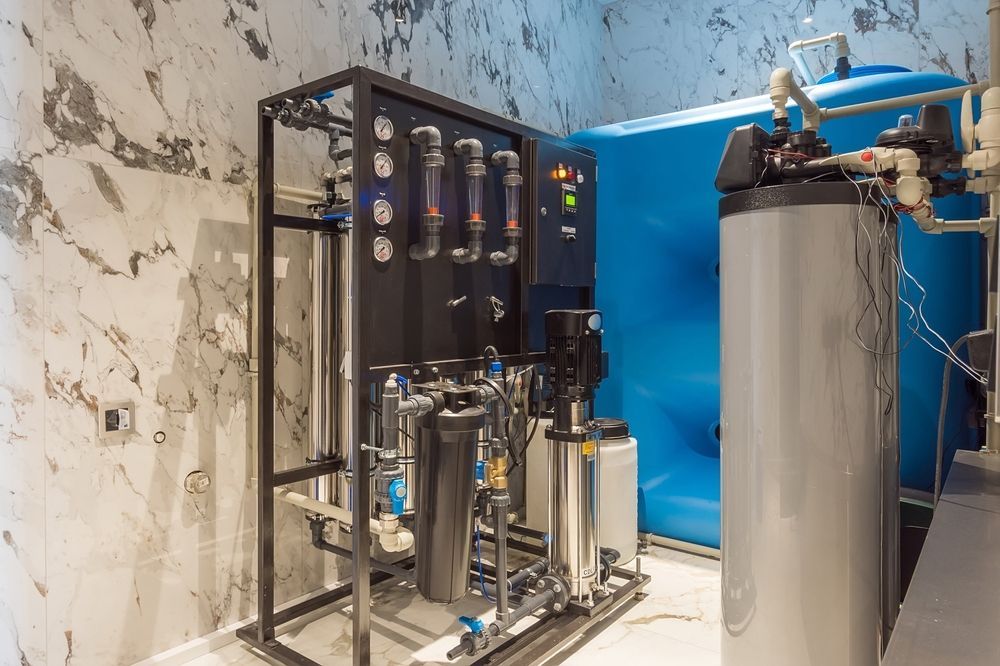
Installation involves evaluating your property's current water quality through testing that identifies specific minerals, sediment levels, and any detected contaminants, then recommending the most effective treatment approach based on those results. Systems range from water softeners that remove hardness minerals through ion exchange, to reverse osmosis units that filter out a broader spectrum of impurities, to whole-house filtration that addresses sediment and chlorine taste.
Schedule a water quality consultation to receive test results and a system estimate based on your property's specific conditions.
How Water Treatment Addresses Mineral Buildup
As a Puronics Certified Dealer, Toro Builders provides trusted water treatment products with professional installation that integrates equipment into your plumbing system without disrupting daily water use. The process includes sizing the system to match household flow rates, installing bypass valves for maintenance access, and setting regeneration cycles based on water hardness levels and consumption patterns.
After the system goes online, you notice soap lathers more easily, glassware dries without spotting, and white scale stops forming on showerheads and faucet aerators. Water heaters operate more efficiently because mineral buildup no longer insulates heating elements from the water they're meant to warm, and appliances like dishwashers and washing machines experience less internal scaling that shortens their operational lifespan.
Treatment systems require periodic maintenance, including salt refills for softeners and filter cartridge replacements for reverse osmosis units, with service intervals depending on water usage volume and influent water quality. Some homeowners choose point-of-use reverse osmosis systems for drinking water only, while others prefer whole-house solutions that treat every water source in the property.
Answers to Frequent Service Questions
Property owners considering
water treatment systems want clarity on how the equipment works, what changes they'll notice, and how installation affects their existing plumbing setup.
What does a water softener actually remove from the water?
Softeners remove calcium and magnesium ions responsible for hardness by exchanging them with sodium or potassium ions through a resin bed. The process reduces scale formation but does not filter out sediment, chlorine, or other contaminants that require additional filtration methods.
How does reverse osmosis differ from standard filtration?
Reverse osmosis forces water through a semipermeable membrane that blocks particles, dissolved solids, and many contaminants too small for conventional filters to capture. The result is highly purified water, though the process generates wastewater and requires a storage tank due to slower flow rates.
Where does the treatment equipment get installed in a home?
Whole-house systems typically install near the main water line entry point, after the shutoff valve but before water branches to individual fixtures. Point-of-use systems like under-sink reverse osmosis units install at specific locations where treated water is needed.
What water quality issues are common in Brownsville that treatment systems address?
Elevated hardness minerals, chlorine taste from municipal treatment, and sediment from older distribution lines are frequent concerns that whole-house filtration and softening systems resolve. Water testing identifies the specific issues present in your supply.
How long does installation take from start to finish?
Most residential installations complete within a few hours, depending on system complexity and whether additional plumbing modifications are needed to accommodate the equipment. The work includes pressure testing to verify all connections seal properly and programming the system for optimal performance.
Toro Builders evaluates each property's water quality to recommend customized treatment solutions that improve water throughout residential and commercial properties while protecting plumbing fixtures and household appliances. Request a water quality evaluation and system estimate to address the specific conditions affecting your property's water supply.