
Airflow That Reaches Every Room Consistently
HVAC Maintenance & Ductwork in Brownsville for properties with uneven temperatures, restricted airflow, or systems requiring preventative service
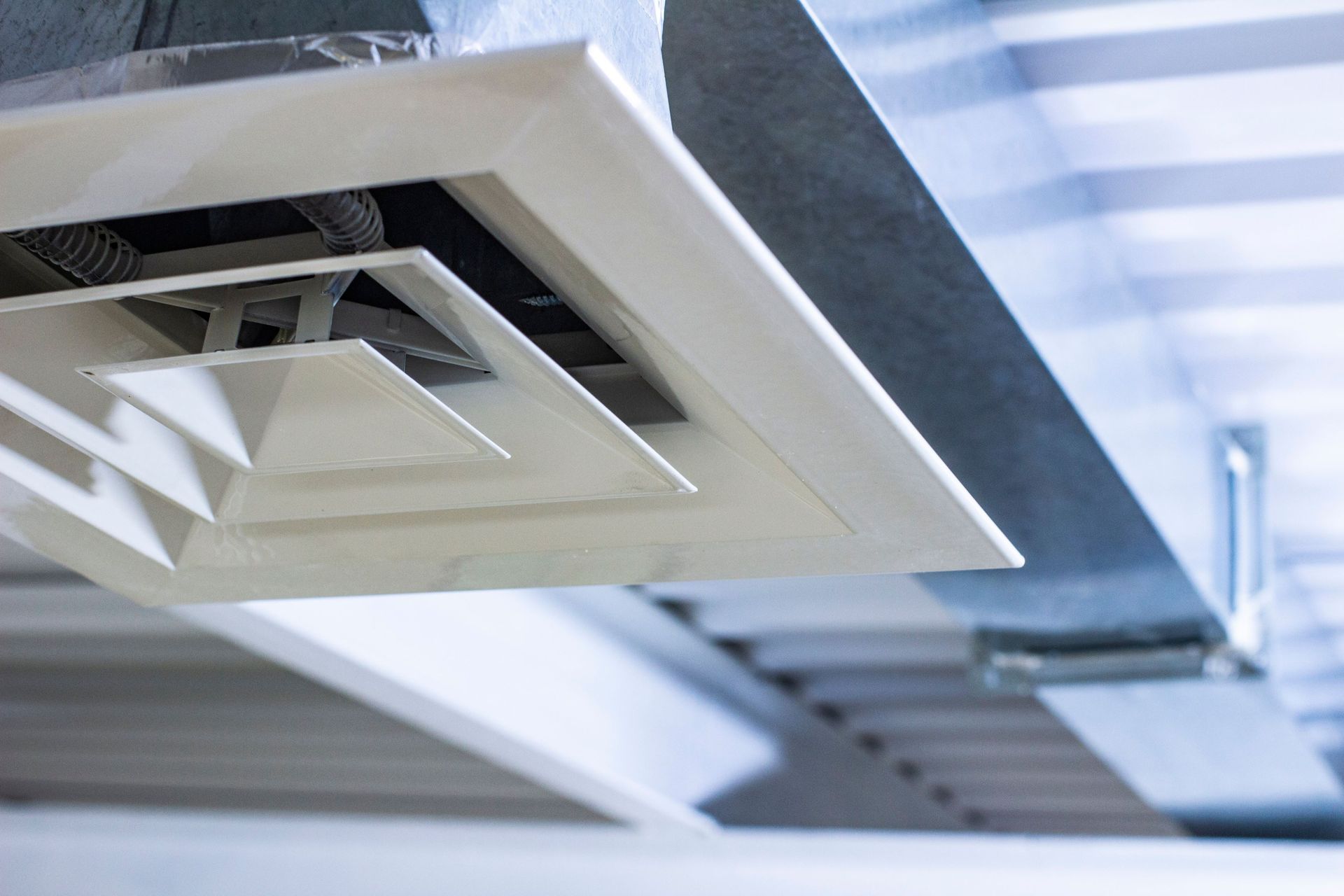
Ductwork that develops disconnected joints, crushed sections in attic spaces, or inadequate return air pathways creates airflow imbalances that leave some rooms overheated while others never reach comfortable temperatures. Toro Builders installs, repairs, seals, and modifies duct systems serving residential and commercial HVAC equipment throughout San Benito, addressing airflow problems that reduce equipment performance and drive up energy costs. Leaks at seams dump conditioned air into unconditioned spaces like attics or crawlspaces, undersized return ducts starve the blower for air and reduce system capacity, and poorly designed branch runs deliver weak airflow to distant rooms regardless of how well the heating or cooling equipment functions.
Preventative HVAC maintenance maximizes equipment performance and reliability through filter replacement, component inspection, and early identification of issues before they develop into costly failures. Dirty filters restrict airflow and force blowers to work harder, refrigerant levels that drift low reduce cooling capacity gradually, and loose electrical connections create resistance that overheats terminals and trips breakers. Maintenance visits catch these conditions when they first appear rather than waiting until complete equipment failure interrupts comfort.
Schedule routine HVAC maintenance to address minor issues before they escalate into emergency repairs.
What Balanced Ductwork Prevents Long-Term
Properly designed and sealed duct systems deliver the airflow volume that equipment manufacturers specify for rated capacity, which means a three-ton air conditioner actually moves three tons of cooling when ductwork doesn't leak or restrict flow. Sealing work uses mastic or metal-backed tape on joints and seams, not standard cloth duct tape that degrades quickly in attic heat, and it focuses on the supply plenum and main trunk connections where the largest leaks typically occur.
After ductwork modifications and sealing, rooms that previously stayed warm receive stronger airflow, temperature differences between floors decrease noticeably, and the system reaches thermostat settings without extended runtime. You also notice less dust accumulation on furniture since sealed ducts prevent the negative pressure that pulls unconditioned attic air through ceiling penetrations and into living spaces. Maintenance plans help extend system life and improve energy efficiency by keeping components clean, lubricated, and operating within design specifications, which prevents the gradual performance decline that occurs when systems run without attention for multiple years.
Service work includes inspecting condensate drains that clog with algae growth, checking capacitor values that drift out of range as components age, and verifying refrigerant superheat and subcool readings that indicate proper charge levels. Ductwork projects sometimes require adding return air pathways to rooms that were remodeled without considering airflow balance, resizing supply branches that never delivered adequate volume, or insulating ducts in unconditioned spaces to prevent condensation and heat gain.

Answers to Frequent Service Questions
HVAC maintenance and ductwork decisions often involve understanding how small problems escalate and what improvements deliver measurable results.
What indicates ductwork problems versus equipment issues?
Uneven temperatures between rooms, whistling sounds from vents, and excessive dust accumulation point to duct leaks or design problems, while complete system failure or universal temperature issues typically originate with the heating or cooling equipment itself.
How often should HVAC systems receive maintenance?
Residential systems benefit from annual service before the primary usage season, while commercial equipment with higher runtime often requires bi-annual maintenance to catch wear patterns before they cause downtime during occupied hours.
What does duct sealing actually involve?
Technicians apply mastic compound or approved foil tape to joints and seams throughout accessible ductwork, focusing on connections near the air handler where leaks waste the most conditioned air and where pressure differences are greatest.
Why does Brownsville's heat affect attic ductwork performance?
Unconditioned attic temperatures exceeding one hundred thirty degrees in summer cause significant heat gain in supply ducts carrying cold air, which reduces system efficiency and forces equipment to run longer cycles to compensate for the temperature rise between the air handler and the vents.
What gets checked during a maintenance visit?
Filter condition, blower motor amperage, capacitor microfarad values, refrigerant pressures and temperatures, condensate drain flow, electrical connection tightness, and safety control operation all receive inspection and testing.
Toro Builders services residential and commercial HVAC systems with dependable scheduling and quality workmanship. Request a ductwork assessment or ask about maintenance plans that provide scheduled service and priority response when equipment issues develop.