Floor Plans That Match How You Live
Custom Home Building in Brownsville for homeowners creating personalized layouts and long-term functionality
A home designed specifically for your family eliminates the compromises that come with purchasing existing construction—rooms are sized for how you actually use them, storage is placed where you need it, and traffic flow matches your daily routines. Toro Builders manages custom home construction from initial planning through final finishing, working with homeowners in Brownsville to create floor plans that reflect their vision while incorporating more than 20 years of residential & Commercial building experience throughout the Rio Grande Valley. The design process starts with understanding how you live, then translates those needs into structural drawings, material specifications, and construction schedules.
Custom building allows you to choose everything from foundation type and wall construction to window placement and finish materials, which means you control both upfront quality and long-term maintenance requirements. Experienced crews handle the structural work using trusted construction practices developed over decades of building in South Texas, where heat, humidity, and soil conditions affect material performance differently than they do in other regions.
Arrange a consultation to review your property, discuss layout priorities, and outline your custom home timeline.
How Custom Construction Differs from Spec Building
Custom home building involves creating architectural drawings that match your specific requirements, then selecting materials and finishes before construction begins rather than choosing from pre-selected options. You decide whether the kitchen opens to the living area or remains separated, whether the master suite includes a sitting area or walk-in closet configuration, and whether secondary bedrooms share a bathroom or each has its own. These decisions are made during the planning phase and documented in construction drawings that guide every trade throughout the build.
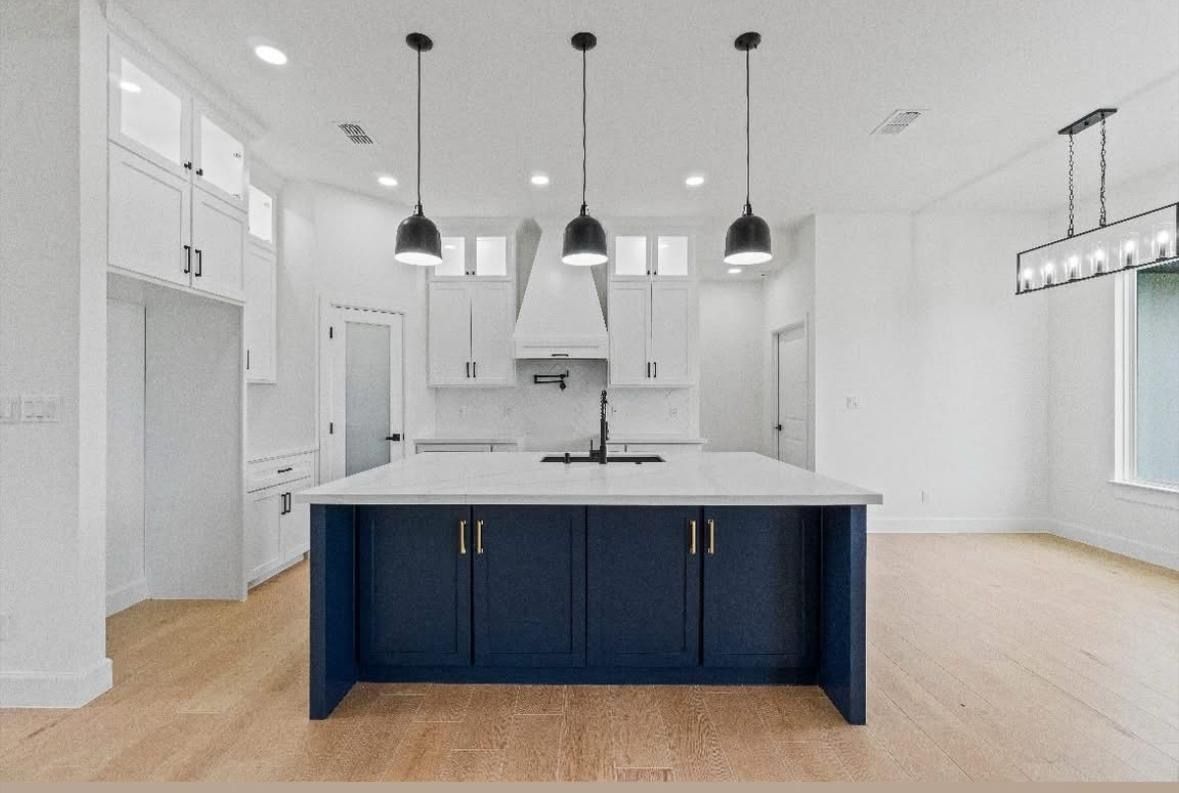
When the home is finished, you move into a space where cabinet heights match your reach, counter depths suit your cooking style, and electrical outlets are positioned where you'll actually use them. Doorways are wide enough for your furniture, closets are configured for your wardrobe, and the garage accommodates your vehicles with room for storage or workspace.
Open communication throughout the building process keeps the project on schedule while allowing for adjustments when field conditions require it, and quality control checkpoints at each phase ensure that work meets both code requirements and construction standards before the next trade begins.
Questions About Building a Custom Home
Homeowners planning a custom build often ask how the process differs from buying existing homes and what decisions need to be made before construction starts.
What's involved in creating a custom floor plan?
The design process starts with discussing how you use each space, then translates those needs into room dimensions, door locations, window placement, and structural requirements that can be built within your budget.
How do you choose materials that perform well in the Rio Grande Valley?
Material selection considers how heat and humidity affect durability, which is why experienced builders in this region recommend specific roofing materials, exterior finishes, and insulation strategies that hold up better than options designed for drier or cooler climates.
When do finish selections need to be finalized?
Flooring, cabinetry, countertops, fixtures, and paint colors are typically selected before framing is completed so materials can be ordered with adequate lead time and installed in the correct sequence without delaying the schedule.
How does construction financing work for custom homes?
Most lenders require a construction-to-permanent loan that covers building costs in stages as work is completed, then converts to a traditional mortgage once the home passes final inspection and you receive a certificate of occupancy.
What happens if you want to change something after construction starts?
Design changes are possible during the build, but they typically add cost and time because materials may have already been ordered, framing may need to be modified, or additional inspections may be required.
Toro Builders brings decades of custom home experience to projects throughout the Rio Grande Valley, managing every phase with organized scheduling and attention to detail. Schedule a consultation to begin planning your custom home project and discuss how personalized design can match your lifestyle and long-term goals.